
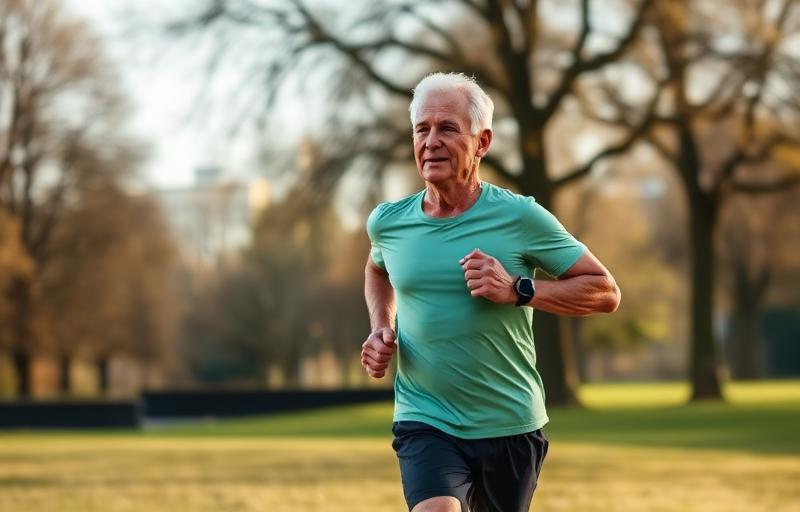
Staying Active After 40 in London
London's active community increasingly includes people in their forties, fifties, and beyond who refuse to accept that ageing means slowing down. Masters runners compete in the city's road races, experienced lifters continue to set personal records, and active professionals maintain demanding training schedules alongside careers and family commitments.
But training after forty does require a more intelligent approach to recovery and soft tissue maintenance. The body's capacity to absorb training stress and repair itself changes with age — not dramatically, but enough to require adaptation in how you manage your body.
How Ageing Affects Soft Tissue
With age, collagen production decreases, reducing tendon and fascial elasticity. Muscle recovery takes longer, making the window between sessions more important. Joint surfaces may show early degenerative changes that alter loading patterns. Hydration of connective tissues decreases, affecting tissue suppleness and resilience.
None of these changes prevent effective training — but they do mean that the margin for error narrows. The recovery strategies that younger athletes can skip become essential for the over-forty athlete.
The Role of Sports Massage for Older Athletes
Sports massage becomes increasingly valuable as you age. Regular treatment maintains the tissue quality and joint mobility that support safe, effective training. It addresses the increased recovery demands by promoting blood flow, reducing inflammation, and releasing the chronic tension that accumulates more readily in mature tissue.
Treatment for older athletes often focuses on maintaining range of motion, addressing areas of chronic stiffness, and supporting the tendons and fascia that become less resilient with age. The goal is not just treating problems but preserving the physical capacity that allows continued training at a high level.
Training Smarter, Not Less
Effective training over forty is not about doing less — it is about doing the right amount with better recovery. This means prioritising sleep, nutrition, and soft tissue maintenance alongside training itself. Many masters athletes find that reducing training frequency slightly while adding regular sports massage produces better results than simply training more.
Warm-up protocols become more important, as cold tissue is less resilient and more injury-prone. A thorough ten-to-fifteen-minute warm-up, including dynamic stretching and activation work, significantly reduces injury risk for older athletes.
Long-Term Athletic Development in London
The goal for active over-forties is not just performance today but the ability to continue training for decades to come. Sports massage supports this long-term perspective by maintaining the musculoskeletal health that underpins continued physical activity.
If you are an active person over forty in London — whether a competitive masters athlete or someone who simply wants to keep training with confidence — regular sports massage is one of the most effective investments in your athletic longevity. Your body has more years of performance ahead; proper maintenance helps you access them.
Related Treatments
Ready to Book?
Get in touch to discuss your treatment needs or book your next session.