
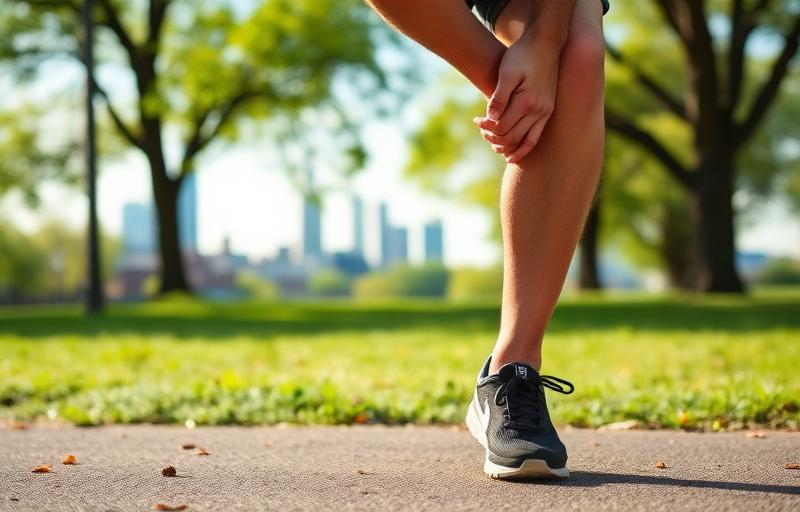
Why Muscles Cramp
Muscle cramps — sudden, involuntary contractions that cause intense pain — are among the most common complaints among active people. Despite being extensively studied, their exact mechanism remains debated. Current evidence suggests that cramps result from altered neuromuscular control rather than simple dehydration or electrolyte depletion, though these factors may contribute.
For London's runners, cyclists, and gym users, cramps often occur during or after intense sessions, particularly in warm conditions or when training volume increases rapidly. Understanding the contributing factors is essential for effective prevention.
Muscle Spasms: A Different Mechanism
Unlike cramps, muscle spasms are sustained involuntary contractions that typically develop in response to tissue overload, trigger points, or protective guarding after injury. They represent the nervous system's attempt to protect a muscle or joint by restricting movement.
Spasms in the neck, upper back, and lower back are particularly common in Londoners who combine desk-based work with intensive training. The muscles are already under sustained low-level tension from postural demands, and the additional load of exercise can push them past their tolerance threshold.
How Sports Massage Prevents Cramps and Spasms
Sports massage addresses the muscular conditions that predispose to cramping and spasm. Regular treatment maintains optimal muscle length, reduces the development of trigger points, and improves the tissue's ability to tolerate load without going into protective spasm.
Deep tissue work on muscles prone to cramping — calves, hamstrings, quadriceps, and foot intrinsics — reduces the baseline tension that makes cramps more likely. Improved blood flow to treated areas supports better oxygen and nutrient delivery, further reducing cramping tendency.
For spasm-prone areas such as the neck and lower back, sports massage breaks the tension-pain-spasm cycle by directly releasing the contracted tissue and restoring normal muscle tone.
Complementary Prevention Strategies
Adequate hydration and electrolyte intake support neuromuscular function, particularly during longer training sessions and in warmer conditions. Sodium, magnesium, and potassium are the key electrolytes to maintain.
Progressive training load management — avoiding sudden increases in volume or intensity — gives the neuromuscular system time to adapt. Adequate sleep supports the nervous system recovery that helps prevent altered neuromuscular control.
Regular stretching and mobility work maintain the muscle length and joint range of motion that reduce cramping and spasm risk. Combined with sports massage, these strategies provide comprehensive protection.
Persistent Cramps or Spasms in London
If cramps or muscle spasms are a regular occurrence during your training, professional assessment can identify the underlying causes and provide a targeted treatment plan. Sports massage, combined with training and lifestyle modifications, significantly reduces the frequency and severity of these issues.
Booking a sports massage in London is a proactive step toward training free from the disruption of cramps and spasms. Your therapist can assess your specific patterns and develop a management strategy tailored to your needs.
Related Treatments
Previous Article
Sports Massage for Swimmers Training in London
Next Article
Sports Massage for Older Athletes and Active Over-40s
Ready to Book?
Get in touch to discuss your treatment needs or book your next session.