
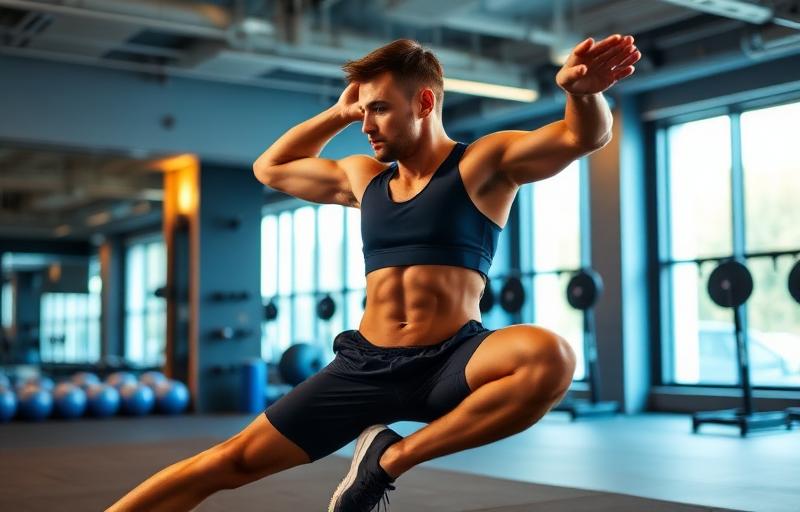
Why Stretching Matters for Active People
Flexibility is a fundamental component of physical fitness that often receives less attention than strength or cardiovascular conditioning. Yet restricted range of motion is a significant risk factor for muscular strains, joint injuries, and compensatory movement patterns.
A structured stretching routine, combined with regular sports massage, provides a comprehensive approach to maintaining the tissue quality and joint mobility needed for safe, effective movement.
Static vs Dynamic Stretching: When to Use Each
Dynamic stretching — controlled movements through range — is most effective before exercise. It increases muscle temperature, activates the nervous system, and prepares joints for the specific demands of your activity.
Static stretching — sustained holds of 30-60 seconds — is best performed after exercise or as a standalone session. It's effective for gradually increasing flexibility and reducing post-exercise muscle tightness.
Key Areas to Prioritise
For runners: hip flexors, hamstrings, calves, and IT band. For gym users: chest, hip flexors, thoracic spine, and ankle mobility. For desk workers: upper trapezius, pectorals, hip flexors, and thoracic rotation.
Focus on the areas most affected by your primary activities rather than trying to stretch everything equally.
How Sports Massage Enhances Stretching
Stretching addresses muscle length, but it cannot always resolve adhesions, trigger points, or fascial restrictions that limit range of motion. Sports massage works at a deeper level, releasing restrictions that stretching alone cannot reach.
Many clients find that a combination of regular sports massage and consistent stretching produces significantly better results than either approach alone.
If you're in Central London and want to develop a stretching strategy that complements your training, a sports massage assessment can identify your specific limitations and guide your flexibility work.
Related Treatments
Previous Article
How Desk Work Creates Muscle Tension — And What to Do About It
Next Article
Deep Tissue vs Sports Massage: Which Do You Need?
Ready to Book?
Get in touch to discuss your treatment needs or book your next session.