
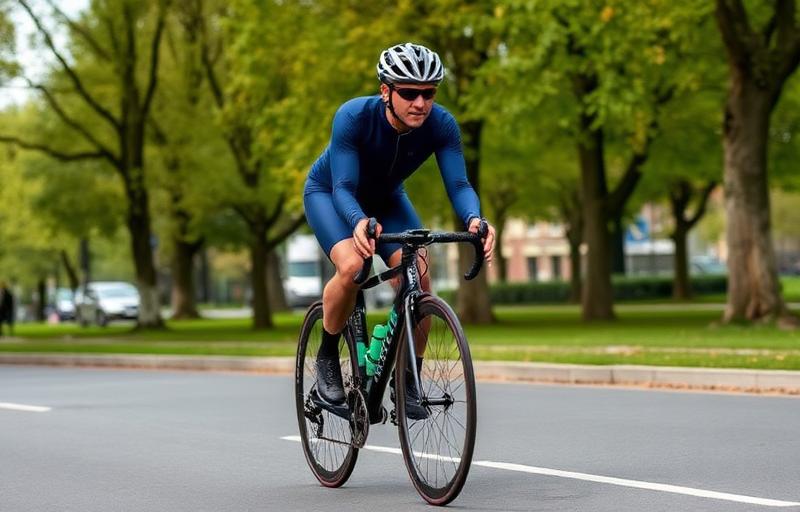
The Physical Demands of Cycling in London
London is increasingly a cycling city. From daily commuters navigating the cycle superhighways to road cyclists logging weekend miles through Richmond Park and beyond, the city's cycling community continues to grow. But cycling places particular demands on the body that, without proper management, lead to predictable patterns of pain and injury.
The sustained flexed posture of cycling shortens the hip flexors, tightens the hamstrings in their shortened range, and loads the quadriceps repetitively. The upper body — fixed in a forward-leaning, weight-bearing position — develops chronic tension through the neck, shoulders, and forearms. Add London's variable road surfaces and stop-start traffic, and the muscular demands are significant.
Common Muscular Issues in Cyclists
Lower back pain is the most reported complaint among cyclists. The sustained lumbar flexion required by cycling posture loads the erector spinae eccentrically while shortening the hip flexors, creating a compression pattern that frequently results in chronic lumbar discomfort.
Knee pain — particularly patellofemoral and IT band-related issues — is common, driven by the repetitive, fixed-plane motion of pedalling. Neck and shoulder tension from maintaining a forward head position over the handlebars creates headaches and upper back stiffness that many cyclists accept as inevitable.
How Sports Massage Benefits Cyclists
Sports massage for cyclists addresses the specific muscular patterns created by time on the bike. Treatment releases the chronically shortened hip flexors, lengthens the hamstrings and quadriceps, and mobilises the thoracic spine to counteract the effects of the cycling position.
Deep tissue work on the quadriceps and calves reduces the cumulative tension from repetitive pedalling. Release of the upper trapezius, levator scapulae, and suboccipital muscles relieves the neck and shoulder tension that cycling posture creates. Forearm and hand treatment addresses the grip fatigue common in London's urban cycling conditions.
Timing Treatment Around Your Riding Schedule
For recreational cyclists and commuters, a maintenance massage every two to three weeks keeps the body adapting well to the demands of riding. Before major events — sportives, charity rides, or racing — a lighter treatment three to five days beforehand prepares the muscles without creating residual soreness.
Post-event recovery massage, ideally within 48 hours of a demanding ride, accelerates recovery and helps identify any tissue issues before they develop into injuries.
Supporting London's Cycling Community
Whether you are commuting across London daily or training for competitive events, sports massage helps you ride stronger, recover faster, and stay on the bike long-term. If cycling-related tension or pain is affecting your performance or comfort, a targeted assessment is the best starting point for effective treatment.
Related Treatments
Previous Article
Sports Massage for Knee Pain in Active Londoners
Next Article
Managing Lower Back Pain with Sports Massage
Ready to Book?
Get in touch to discuss your treatment needs or book your next session.